



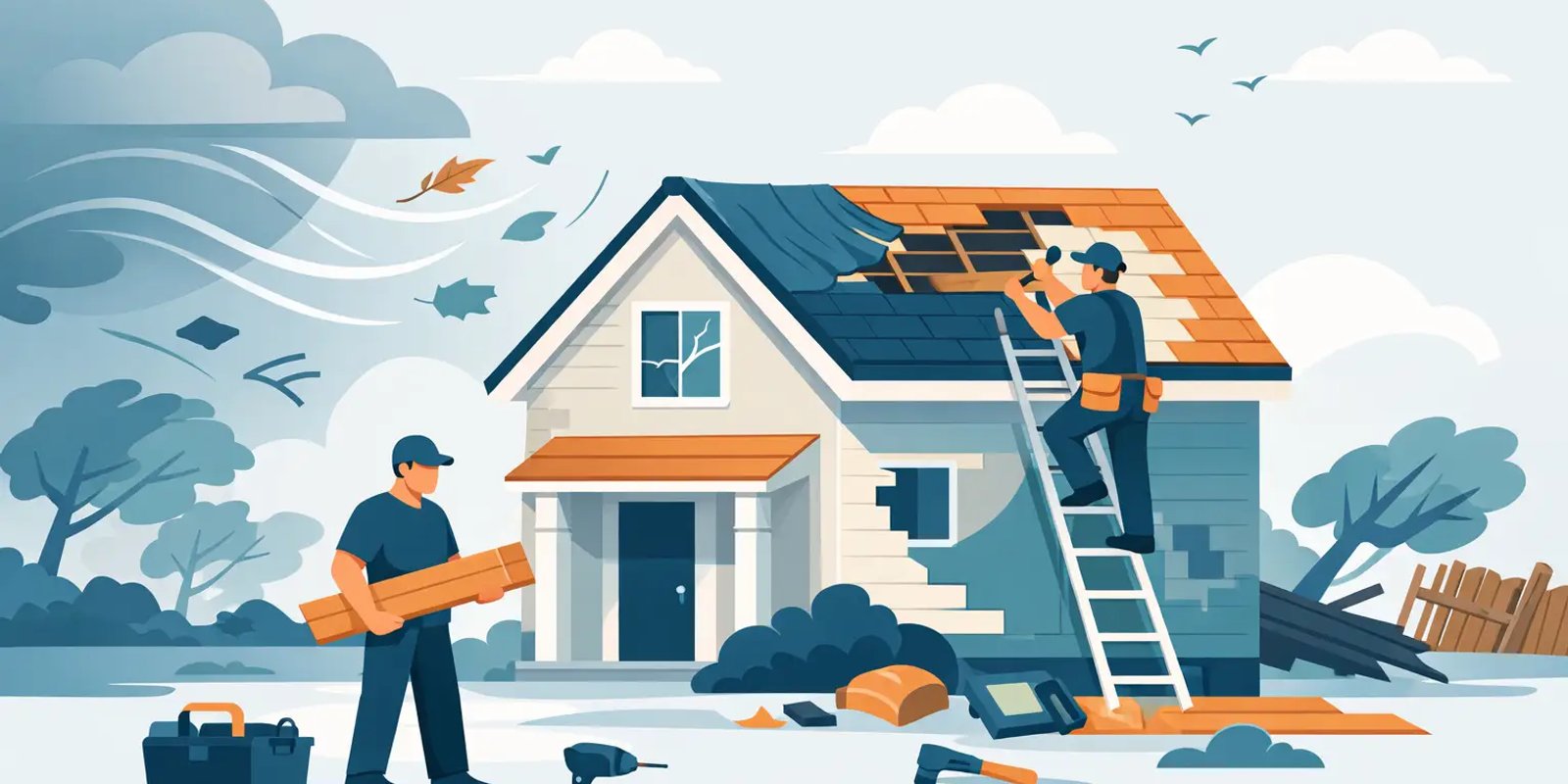

A windstorm does not need to rip off half your roof to create a serious problem. In the Lehigh Valley, strong gusts can loosen shingles, pull flashing away from rooflines, crack siding, bend gutters, and drive water into places that stay hidden until the stain shows up on a ceiling. That is why wind damage home repair needs to start quickly, with a careful inspection and a plan that fixes both the visible damage and the parts homeowners cannot easily see.
For many homeowners, the hard part is not recognizing that something happened. It is knowing what needs immediate attention, what can wait a few days, and what should never be treated like a simple patch job. Good repair work is not just about making the house look normal again. It is about protecting structure, preventing moisture damage, and restoring confidence that your home is secure.
What wind damage really looks like
After a storm, most people look for the obvious signs first. Missing shingles, a section of fascia on the ground, branches on the roof, or a fence leaning out of line are easy to spot. The problem is that wind often causes damage in stages. The first stage may be minor separation at roofing edges, lifted siding panels, or loosened soffit sections. The second stage comes later, when rain gets behind those weak points and turns a wind event into a leak, mold issue, or interior drywall repair.
That is why a proper inspection matters. Wind can break shingle seals without tearing the shingles off. It can shift metal flashing just enough to let water in around chimneys, valleys, skylights, and vent penetrations. It can also damage trim, window casing, garage doors, deck railings, and exterior doors. On older homes around Allentown, Bethlehem, Easton, and nearby communities, aging materials may already be close to failure, and a storm simply exposes the weak spot.
When homeowners wait too long, repair costs often grow. What might have started as a targeted roofing repair can become sheathing replacement, insulation removal, ceiling patching, repainting, or even framing work if moisture keeps traveling.
The first steps after a storm
Safety comes first. If there are downed power lines, a tree impact, active leaking near electrical fixtures, or signs of structural movement, the home should be evaluated before anyone starts moving around damaged areas. Climbing on a roof after a storm is not a homeowner task. Wet surfaces, loose materials, and hidden soft spots make that risky fast.
The next step is documentation. Take clear photos of visible damage from the ground and inside the home if water intrusion is present. Capture roof areas, siding, gutters, windows, ceilings, insulation stains, and any debris impact points. If an insurance claim is likely, those early photos help establish the condition before temporary protection or cleanup begins.
Then comes mitigation. This is where speed matters. A temporary tarp, secured opening, or protective cover can prevent additional water from entering the home while the permanent repair plan is being developed. Temporary work is not the finish line, but it can save homeowners from much larger restoration costs.
Where wind damage home repair often gets underestimated
Roofing gets most of the attention, and for good reason, but it is only part of the picture. Wind damage home repair often involves multiple systems working together on the exterior envelope of the house.
Siding may look mostly intact while a few panels have come loose or shifted at the seams. That gap can allow water behind the cladding, where the sheathing and wall cavity are vulnerable. Gutters and downspouts can twist out of alignment, which changes drainage patterns and sends water toward the foundation instead of away from it. Soffit and fascia damage can open pathways for moisture and pests. Windows and doors can lose trim integrity or weather sealing, especially if wind-driven debris hits the home.
Inside the house, the signs may be subtle at first. A small ceiling stain, bubbling paint, damp insulation in an attic, or a musty smell in an upper wall can all point back to storm damage. Repairing the symptom without correcting the entry point usually means the problem comes back.
Repair or replace? It depends on the damage pattern
This is where experience matters. Not every storm-damaged component needs full replacement, but not every repair is worth attempting either. The right answer depends on the age of the material, how widespread the damage is, and whether surrounding components are still secure.
A small section of missing shingles on a newer roof may be a straightforward repair if the surrounding shingles are still flexible and matching materials are available. On an older roof, that same damage may point to broader brittleness or failing seals across the slope. Trying to patch one area can become a short-term fix with a short shelf life.
The same logic applies to siding, trim, and gutters. If one section is damaged but the system around it is sound, spot repair can be smart and cost-effective. If wind exposed long-term wear, water damage, or installation defects, broader replacement may actually be the more responsible investment.
Homeowners deserve clear guidance here, not a sales push. Good contractors explain the trade-offs. A lower-cost repair may solve the immediate issue but carry a higher chance of future callbacks. A larger repair scope costs more upfront but may better protect the home and preserve its value.
How the insurance side affects the project
Storm restoration work can move differently than a planned remodel because insurance may be involved. That adds paperwork, timing, and another layer of communication. Homeowners often need help understanding what is visible damage, what is hidden related damage, and what documentation supports the claim.
A disciplined contractor can make this process less stressful by identifying affected areas clearly, providing a detailed repair scope, and separating temporary mitigation from permanent restoration. That clarity matters when the goal is not just getting work started, but getting the right work approved and completed.
It also helps to work with a contractor who understands that restoration is not only about replacing damaged materials. Interior repairs may need to be folded into the project if wind-driven rain affected drywall, insulation, trim, paint, or flooring. A home does not experience damage in neat categories, so the repair process should not be fragmented if it does not have to be.
Why craftsmanship matters after a storm
Storm repair work gets rushed more often than it should. Homeowners are under stress, weather may still be a concern, and everyone wants normal life back. But rushed work creates its own problems. Poorly installed shingles, mismatched siding, bad flashing details, and sloppy drywall repairs can leave a home looking repaired but still vulnerable.
Quality restoration should blend protection and finish work. That means the roof assembly is properly sealed, the exterior trim is secure, water is directed where it should be, and any interior surfaces are restored to a clean, finished condition. If a ceiling was opened for drying or repair, the final patch should not look like a patch. If siding was replaced, the transition should be intentional and durable.
This is especially important for homeowners in established Lehigh Valley neighborhoods, where many houses have aging materials, additions from different decades, or architectural details that need thoughtful matching. Precision matters more on homes that are not brand new because repair work has to tie into what is already there.
Choosing the right contractor for wind damage home repair
Storm damage puts homeowners in a vulnerable position. You need help quickly, but you also need to trust who is walking around your property and advising you on costs. The right contractor brings urgency without pressure.
Look for a company that inspects thoroughly, explains findings in plain terms, and provides a clear scope of work. You want someone who understands exterior restoration, interior repair, and the practical realities of insurance-related projects. Communication is a big part of the value. Homeowners should know what was found, what needs immediate action, how repairs will be sequenced, and what to expect on cost and timing.
Local experience matters too. A contractor who works regularly in this region understands the weather patterns, the housing stock, and the material issues common to Pennsylvania homes. Veteran Grains approaches these projects with that kind of discipline - clear quoting, careful project management, and workmanship meant to hold up long after the storm has passed.
A strong repair plan protects more than the house
There is a peace of mind piece to this that homeowners should not ignore. When storm damage is handled properly, you are not just replacing materials. You are removing uncertainty. You are making sure the next heavy rain does not turn into another problem call. You are protecting the value of the home, the comfort of the people living in it, and the time you should not have to spend chasing unfinished issues.
If your home has been through a wind event, do not judge the damage by what you can see from the driveway. The smartest next step is a careful inspection, a realistic repair plan, and craftsmanship that treats the home with the respect it deserves.





















 (610) 618-6063
 info@veterangrains.com
 4915 Lower Macungie Rd, Macungie, PA 18062