


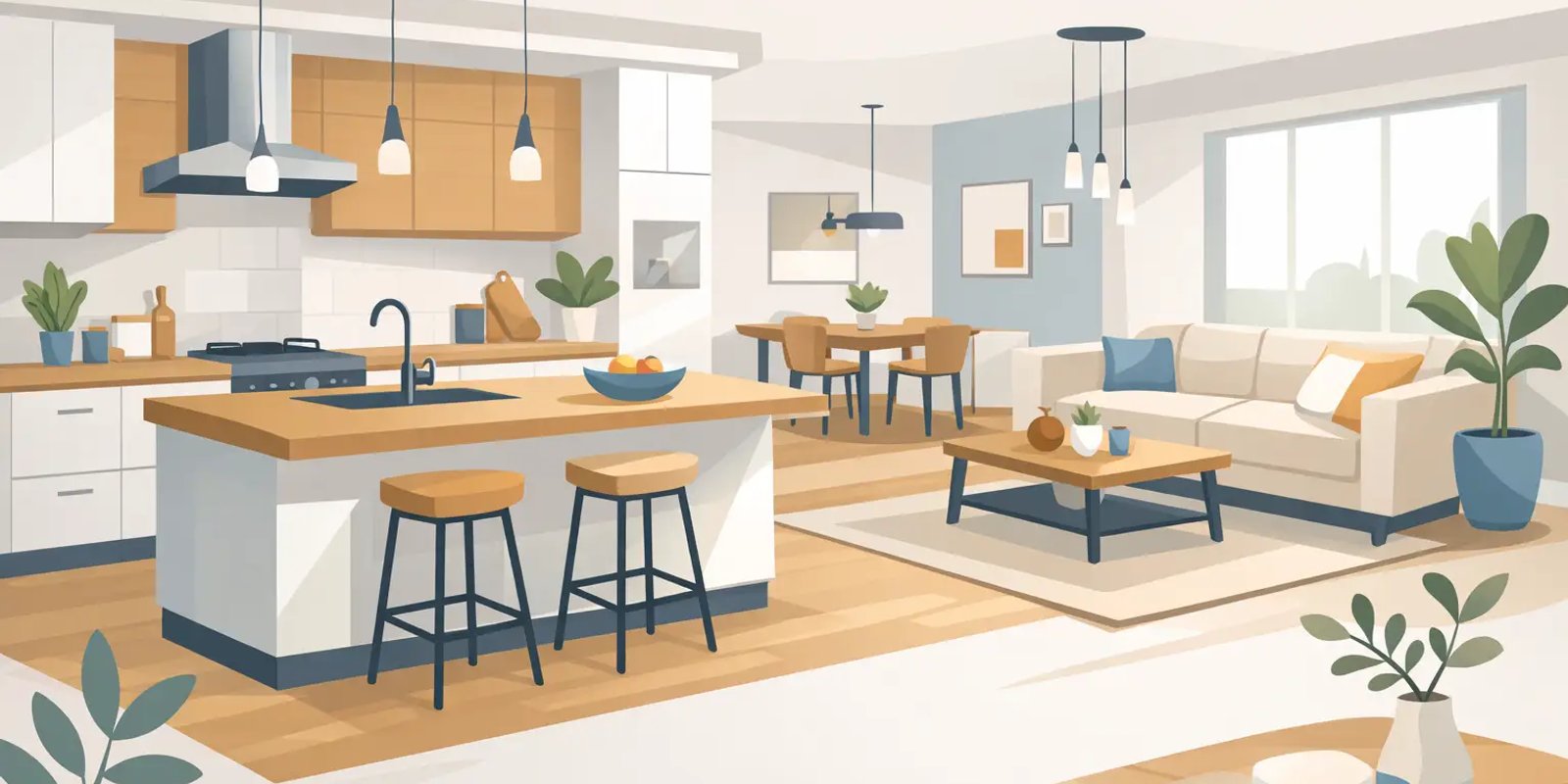

If you have ever stood in a closed-off kitchen while everyone else gathered in the next room, you already understand the appeal of an open concept kitchen remodel. Removing barriers can make a home feel larger, brighter, and easier to live in. But opening a floor plan is not just about taking down a wall. It changes traffic flow, storage, lighting, noise, and in many homes across the Lehigh Valley, it also brings structural questions that need the right plan from the start.
For some homeowners, this kind of remodel is the upgrade that finally makes the house work for daily life. For others, the better move is a partial opening that improves connection without sacrificing too much cabinet space or separation. The difference comes down to how your home is built and how your family actually uses it.
When an open concept kitchen remodel makes sense
An open layout works best when the current kitchen feels isolated or undersized compared to the rest of the main floor. In older homes, especially those with smaller rooms and segmented layouts, the kitchen often ends up short on natural light and disconnected from dining and living areas. Opening that space can improve visibility, make entertaining easier, and give parents a clearer line of sight to kids or guests.
It can also solve practical issues. If your kitchen lacks room for an island, pantry storage, or enough landing space around appliances, reworking adjacent rooms may create options that were never possible inside the original footprint. Sometimes the wall between the kitchen and dining room is the only thing preventing a more functional layout.
That said, bigger is not automatically better. Some families prefer a kitchen that can be closed off from noise, cooking odors, and visual clutter. If you cook often, have pets underfoot, or like keeping prep work out of view, a fully open layout may not feel as comfortable as it looks in photos.
The biggest question: can the wall come down?
This is where many projects become more complex than expected. Not every wall between a kitchen and living area is decorative. In many homes, especially older Pennsylvania properties, that wall may be carrying floor or roof loads. If it is load-bearing, removing it usually means installing a properly sized beam and transferring weight to specific support points.
That is not a reason to walk away from the idea. It just means the project needs careful planning. Structural work can affect ceiling lines, basement supports, flooring transitions, and sometimes mechanical systems hidden inside the wall. Electrical wiring, plumbing vents, and HVAC runs may all need to be rerouted.
A good contractor will not guess here. They will determine what the wall is doing, explain the implications clearly, and price the work with that reality in mind. That level of transparency matters because structural changes are often where budgets drift when a project is underplanned.
Open concept kitchen remodel costs and budget pressure points
Homeowners often ask for a single number, but the cost of an open concept kitchen remodel depends on what is driving the work. If the project is mostly cosmetic with a simple non-load-bearing wall removal, the budget will look very different than a remodel that includes a beam, new cabinetry, flooring throughout the main level, lighting upgrades, and appliance relocation.
The pressure points usually come from five areas: structural engineering and framing, utility relocation, cabinetry, flooring continuity, and finish upgrades. Once you open a kitchen to adjacent spaces, mismatched floors, dated trim, and uneven lighting become much more noticeable. That is why many open-layout remodels expand beyond the kitchen itself.
This is also where honest planning pays off. If your budget has limits, it may make more sense to prioritize layout, cabinetry, and lighting first, then phase in flooring or built-ins later. Trying to stretch too far all at once can lead to compromises in the areas that matter most to daily function.
Layout choices that make the space work
The success of an open kitchen is usually decided by the layout, not just the demolition. Once walls come down, the room needs clear zones for cooking, prep, dining, and circulation. Without that structure, an open floor plan can feel oversized but awkward.
Islands, peninsulas, and traffic flow
Many homeowners want an island, and for good reason. It can add prep space, casual seating, storage, and a natural gathering point. But an island only works if there is enough room around it. Tight clearances create bottlenecks fast, especially when multiple people are using the space.
In some homes, a peninsula is the smarter choice. It keeps the kitchen open while defining the work area and preserving circulation. This can be especially effective in narrower homes or remodels where a full island would crowd appliance doors and walkways.
Storage has to be planned, not assumed
One trade-off in an open concept kitchen remodel is that wall removal often means losing upper cabinets. That can be worth it for better sightlines and light, but the storage has to go somewhere. Tall pantry cabinets, deeper island storage, custom drawer organization, and built-in cabinetry along adjacent walls can help make up the difference.
This is where custom planning matters. A kitchen that looks open and clean on day one can become frustrating if everyday items end up scattered across counters because there is nowhere practical to store them.
Design details that matter more in open layouts
When the kitchen connects directly to living and dining spaces, every finish carries more visual weight. Cabinet style, countertop color, hardware, flooring, backsplash, and paint all need to work as part of a larger whole. The goal is not to make every room identical. It is to make the transition feel intentional.
Lighting becomes especially important. A single ceiling fixture is rarely enough in an open layout. Most kitchens need a mix of recessed lights, task lighting, and decorative fixtures over an island or dining area. Layered lighting gives you better function and helps define separate zones without walls.
Sound is another factor that gets overlooked. Hard surfaces can make an open first floor louder than expected. If noise is a concern, material choices like wood flooring with proper underlayment, upholstered seating, area rugs in nearby living spaces, and quieter appliance packages can make a noticeable difference.
Open concept kitchen remodel ideas for older Lehigh Valley homes
In the Lehigh Valley, many homes were not originally designed for open living. That does not mean they cannot be adapted well. It just means the best solution is often a tailored one instead of a full gut-and-open plan.
Sometimes widening a doorway or creating a large cased opening gives you the connection you want without removing all definition between rooms. In other homes, keeping a short wall for cabinets or utilities creates a better balance between openness and function. Historic details, uneven framing, and aging materials can all influence what makes sense.
This is also why local remodeling experience matters. Older homes tend to reveal surprises once work begins, from outdated wiring to hidden repairs. A disciplined process, clear communication, and realistic scoping help keep those discoveries from turning into major disruptions.
How to know if the project is right for your home
A worthwhile remodel should improve how your home lives day to day, not just how it photographs. If your current kitchen feels cramped, cuts you off from family or guests, and lacks the space you need to cook or gather comfortably, opening the layout may be the right move. If you value separation, quiet, and wall space for storage, a partial reconfiguration may serve you better.
The right answer usually comes from walking through your routines honestly. Where do people enter the house? Where do groceries land? Do kids do homework near the kitchen? Do you host often? Are you willing to see the kitchen from the living room at all times? These are practical questions, but they shape the final result more than trends do.
For homeowners planning an open concept kitchen remodel, the best projects start with clear goals, accurate structural evaluation, and a layout built around real use. Veteran Grains approaches that process the way it should be handled - with straight answers, careful planning, and workmanship that respects both the home and the homeowner.
If you are considering opening up your kitchen, focus less on chasing a certain look and more on building a space that fits the way you actually live. That is what turns a major remodel into a long-term improvement.



















 (610) 618-6063
 info@veterangrains.com
 4915 Lower Macungie Rd, Macungie, PA 18062