



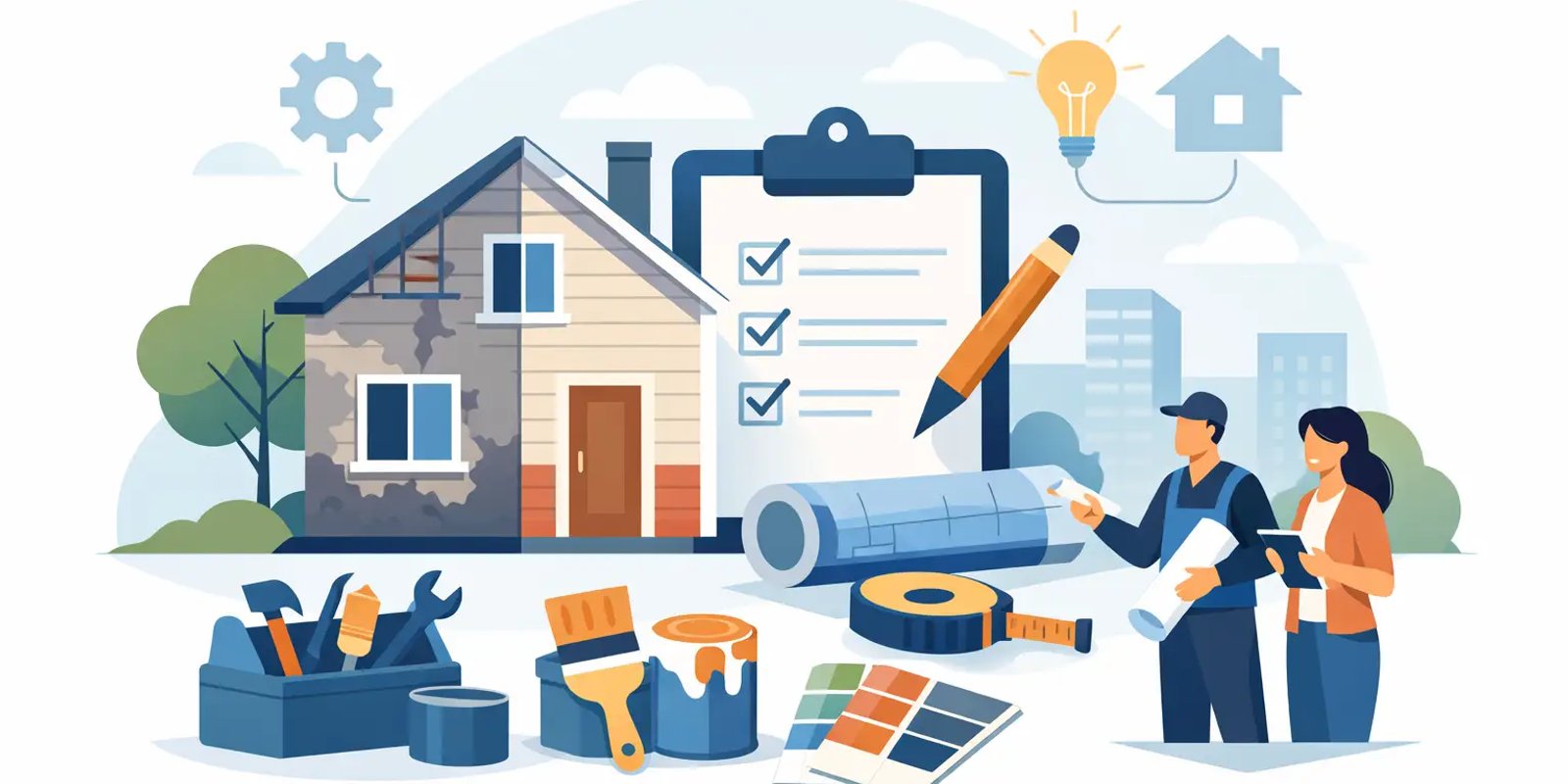

If you have ever opened a wall in an older house and found a surprise behind it, you already know why an older home renovation checklist matters. Homes across the Lehigh Valley often come with solid bones, original character, and a few hidden issues that can change a project fast if you are not planning carefully from the start.
Older homes can be excellent candidates for renovation, but they do not behave like newer construction. Materials age differently. Previous repairs may not meet current standards. Layouts often reflect another era, which can make kitchens, bathrooms, storage, and traffic flow feel cramped for modern living. A good plan helps you protect what is worth keeping while addressing the systems and structural details that affect safety, comfort, and long-term value.
Start Your Older Home Renovation Checklist With the House Itself
Before choosing tile, cabinets, or paint colors, look at the home as a system. This is where many homeowners save money in the long run. Cosmetic updates are exciting, but they should come after the condition of the house is understood clearly.
Start with the foundation, framing, roof, windows, and exterior envelope. Cracks in masonry, signs of water entry, uneven floors, and roof wear can all point to larger issues. Some problems are straightforward repairs. Others may affect the scope of your remodel, especially if you are opening walls, reworking layouts, or adding weight with stone surfaces, new fixtures, or built-ins.
Moisture deserves extra attention. In older Pennsylvania homes, water intrusion around basements, roofing, chimneys, flashing, and windows can quietly damage framing, insulation, drywall, and finishes over time. If moisture is still active, a renovation that skips the root cause can look great for six months and then start failing.
Check Electrical, Plumbing, and HVAC Before Design Decisions
An older home renovation checklist should always include a serious look at the major systems. These items are not as visible as a finished kitchen or bathroom, but they shape what is possible and what your budget needs to cover.
Electrical systems in older homes may include outdated panels, insufficient capacity, ungrounded outlets, or wiring methods that are no longer ideal for modern use. That matters if you are adding recessed lighting, upgrading appliances, installing under-cabinet lighting, or building a home office. Sometimes a partial upgrade works. Sometimes the smarter move is a broader electrical update while walls are already open.
Plumbing can present the same kind of fork in the road. Galvanized pipes, aging drain lines, inconsistent water pressure, or old shutoff valves can complicate what seems like a simple bathroom or kitchen remodel. If a bathroom is being redone down to the studs, it is often the right time to address the supply and drain lines behind the walls rather than leave old materials in place.
HVAC should also be evaluated early. Older homes may have uneven heating and cooling, undersized ductwork, or rooms that were added without a clean mechanical plan. If you are changing room layouts, insulating exterior walls, or finishing previously unused spaces, your heating and cooling strategy may need to change too.
Expect Code Upgrades and Permit Requirements
One of the biggest mistakes in older house projects is assuming you are only paying for what you can see. In reality, once work begins, certain updates may trigger code-related improvements.
That does not mean every older home needs a complete overhaul. It does mean the scope of work should be reviewed with current requirements in mind. Smoke and carbon monoxide detector placement, stair geometry, guardrails, bathroom ventilation, GFCI and AFCI protection, and insulation requirements can all come into play depending on the project.
Permits are part of responsible planning, not red tape for the sake of it. They help ensure the work is done correctly and safely. If your project involves structural changes, system upgrades, additions, decks, or major interior remodeling, permit requirements should be understood before the schedule and budget are finalized.
Test Before You Disturb Older Materials
In homes built decades ago, some materials need to be handled with care. Lead paint and asbestos are the two most common concerns homeowners hear about, and for good reason. They may be present in trim, windows, flooring, insulation, adhesives, textured finishes, or old mechanical wraps.
The key point is not to panic. The key is to test and plan. Disturbing hazardous materials without proper handling can create health risks and delay the job once demolition is underway. Knowing what is there allows the renovation team to build the right process from the beginning.
This is especially relevant if you are sanding, cutting, demolishing, replacing old flooring, or removing plaster and insulation. A clean plan protects your home, your family, and the job schedule.
Preserve Character Where It Adds Value
Older homes often have details worth saving - solid wood trim, original doors, built-ins, hardwood flooring, stair parts, or distinctive millwork. Not every old feature should stay, but not every old feature should be ripped out either.
This is where a balanced renovation approach matters. If original elements are structurally sound and fit the updated design, keeping them can preserve the character that made you buy the house in the first place. In many cases, refinishing, repairing, or integrating those details with new cabinetry, flooring, or trim creates a better result than replacing everything with builder-grade materials.
That said, preservation should not come at the cost of function. If a layout is not working for your family, or a bathroom is too tight to use comfortably, the goal is not to freeze the house in time. It is to respect the home while making it work better for the way you live now.
Build the Budget Around Priorities, Not Wish Lists
A realistic budget is one of the most valuable parts of any older home renovation checklist. Older houses carry more uncertainty than newer ones, so your financial planning should reflect that.
Start by separating must-do work from nice-to-have upgrades. Structural repairs, water management, electrical safety, plumbing reliability, and damaged materials usually belong in the first category. Decorative finishes and premium selections come after those priorities are covered.
It is also wise to keep a contingency allowance. In an older house, hidden conditions are not unusual. Once demolition begins, you may find framing repairs, subfloor damage, outdated wiring, or patchwork plumbing that was impossible to fully assess from the surface. A reserve in the budget gives you room to make sound decisions without scrambling.
Transparent quoting helps here. Homeowners are better served when they understand what is included, what is an allowance, and what could change if concealed issues are uncovered. That kind of clarity reduces stress and keeps the project moving.
Plan the Sequence of Work Carefully
Good renovation work is not just about what gets done. It is about the order in which it gets done. In older homes, sequencing matters even more because one repair can affect several others.
If you are remodeling a kitchen, for example, the right order may involve structural review, demolition, framing adjustments, electrical and plumbing rough-ins, insulation, drywall, flooring, cabinetry, countertops, trim, and paint. If water damage or floor leveling is discovered midway, that needs to be corrected before finish materials go in.
Trying to rush ahead with visible upgrades before the underlying work is complete usually costs more later. The most efficient projects are the ones where the scope is organized early and communication stays consistent from estimate through final punch list.
A Practical Older Home Renovation Checklist for Homeowners
At minimum, your checklist should cover structural condition, water intrusion, roof and exterior issues, electrical capacity, plumbing lines, HVAC performance, insulation, window condition, hazardous material testing, permit needs, and code implications. It should also account for layout goals, finish priorities, timeline expectations, and a contingency fund.
If the project includes kitchens, bathrooms, built-ins, flooring, drywall repair, trim carpentry, or restoration from storm or water damage, those details should be mapped into the scope early so the work can be coordinated instead of patched together later.
For many homeowners, the biggest relief comes from having one contractor manage the moving parts with clear communication and honest expectations. That is often the difference between a project that feels controlled and one that feels like a series of expensive surprises.
Older homes reward careful planning. They ask more from the renovation process, but they also offer more character, more long-term value, and more opportunity to create a home that truly fits your family. If you are preparing for updates in an older house, start with the facts, protect your budget, and make each decision in the right order. That is how good craftsmanship holds up long after the dust is gone.




















 (610) 618-6063
 info@veterangrains.com
 4915 Lower Macungie Rd, Macungie, PA 18062