



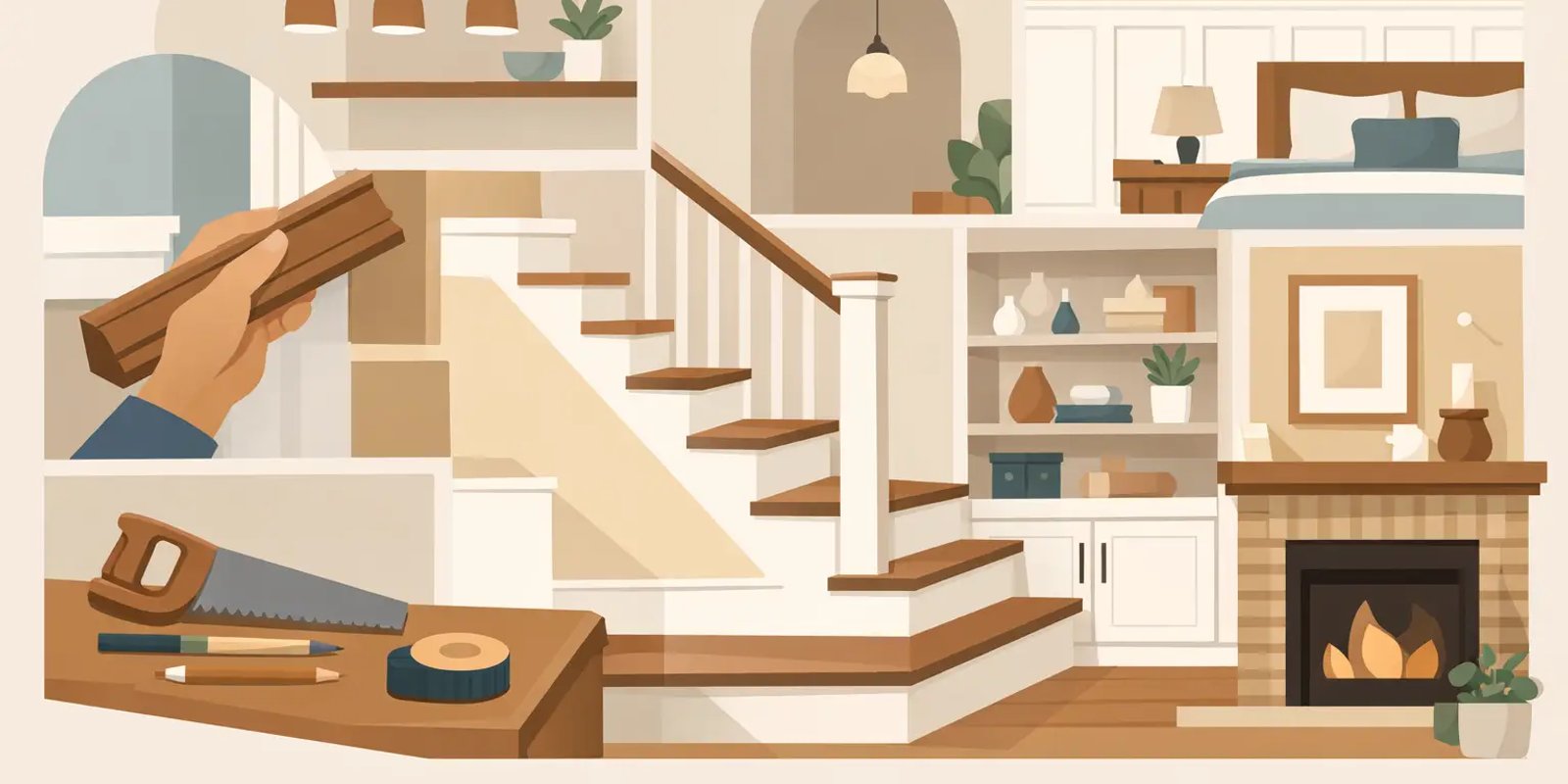

A room can be freshly painted, fully furnished, and still feel unfinished. That usually comes down to the details. The right interior finish carpentry ideas can give a home structure, character, and a more polished look without changing the entire floor plan.
For homeowners across the Lehigh Valley, finish carpentry often makes the difference between a house that looks updated and one that feels thoughtfully built. Trim, casing, built-ins, wall treatments, and custom woodwork do more than improve appearance. They can fix awkward transitions, add storage, highlight architectural features, and bring consistency to older homes that have been updated in stages.
Interior finish carpentry ideas that make the biggest impact
Not every project needs to be large to be worthwhile. In many homes, a few well-chosen carpentry upgrades can improve the way rooms look and function right away. The key is choosing details that fit the house instead of forcing a style that does not belong there.
Upgrade baseboards and window trim
Basic builder-grade trim tends to disappear, and not in a good way. Replacing thin baseboards with taller, more substantial profiles can make ceilings appear higher and walls feel more finished. Matching window and door casing helps tie the room together and gives each opening a cleaner visual frame.
This is especially effective in older Lehigh Valley homes where previous repairs or piecemeal renovations left mismatched trim from room to room. A consistent trim package can bring order back into the space without a full remodel.
Add crown molding where it makes sense
Crown molding can elevate a room, but it is not automatic. In a formal dining room, living room, or primary bedroom, it often adds the right finishing touch. In a low-ceilinged room or a very modern space, heavy crown can feel forced.
The best results come from matching the scale of the molding to the room. Wider profiles suit taller ceilings. Simpler profiles work better when the home leans clean and contemporary. Good finish carpentry is not about adding more wood everywhere. It is about proportion and fit.
Install wainscoting or wall paneling
Wall paneling is one of the most versatile interior finish carpentry ideas because it works in both traditional and updated homes. Wainscoting in a hallway or dining room adds durability and visual depth. Board and batten can give an entryway or bedroom more character. Flat panel or picture frame molding can create a tailored look without overwhelming the room.
This type of work is often a smart choice in spaces that feel plain or take a lot of wear, such as mudrooms, stair halls, and family dining areas. It also gives homeowners a chance to add architectural interest where none existed before.
Build a custom mudroom drop zone
A well-designed mudroom bench with hooks, cubbies, and closed storage solves a daily problem. Shoes, backpacks, coats, and pet gear need a place to land. When they do not have one, clutter spreads fast.
Custom finish carpentry can shape that storage around the actual habits of the household. A family with young kids needs different spacing and durability than a couple looking for a cleaner front entry. The best mudroom carpentry is practical first, but it should still feel like it belongs to the home rather than looking like an afterthought.
Frame out a fireplace wall
A fireplace can either anchor a room or get lost in it. Surround carpentry, built-in shelving, mantel design, and panel details can turn that wall into a true focal point. Even when the fireplace itself is simple, the right woodwork around it adds weight and balance.
This idea works well in living rooms that need definition or in renovated spaces where everything feels open but slightly unfinished. Built-ins on either side can add storage for media, books, or display pieces, but the design has to be honest about the room size. In smaller rooms, less is often better.
Built-in interior finish carpentry ideas for better function
Some of the best carpentry upgrades earn their keep every day. Built-ins can reduce clutter, improve storage, and make underused wall space work harder.
Window seats with storage
A window seat can soften a room while adding hidden storage. In a bedroom, hallway nook, or living area, it creates a useful place to sit and gives purpose to space that might otherwise go unused.
This kind of project needs careful planning. The proportions have to feel intentional, and the storage access needs to be practical. A window seat that is hard to open or too shallow to use will not deliver much value beyond looks.
Built-in bookshelves and media units
Freestanding furniture can work, but built-ins often look cleaner and more integrated. Custom shelves around a TV wall, home office, or reading nook can make storage feel organized instead of crowded.
The advantage is fit. Ceiling height, outlet placement, and room width all matter. Built-ins can be designed to hide wires, account for uneven walls, and match the trim package in the rest of the home. That level of detail is what separates custom finish carpentry from stock furniture solutions.
Closet and pantry trim upgrades
Not every carpentry improvement needs to happen in the main living areas. Closet openings with better casing, upgraded shelving, and finished trim details can make storage spaces feel more useful and less neglected. Pantry nooks benefit from the same approach.
These upgrades matter in everyday use. When shelves are properly sized and trim is finished cleanly, the space works better and holds up longer. It is a practical investment, especially during larger remodeling work.
How to choose the right finish carpentry style for your home
Good design starts with context. A historic home in Bethlehem may call for very different trim profiles than a newer build in Macungie or Whitehall. That does not mean you have to stay locked into one period style. It means the carpentry should respect the home’s proportions and existing features.
If the house already has strong traditional elements, simple upgrades that echo those lines will usually feel more natural than ultra-modern inserts. If the home is newer and cleaner in style, oversized ornate trim can look out of place. Consistency matters more than trend-chasing.
Paint also changes the result. Crisp white trim gives contrast and brightness, while color-matched trim can feel more custom and architectural. Stained wood brings warmth, but it shows variations in grain and requires the right species and prep. There is no single best answer. It depends on the room, the home, and how much maintenance you want over time.
Where interior finish carpentry ideas pay off most
Entryways, living rooms, dining rooms, staircases, and primary bedrooms usually show the biggest visual return. These are the spaces people see first and use most often. Well-executed trim and built-ins in those areas can change how the entire home feels.
That said, utility spaces should not be ignored. Laundry rooms, mudrooms, and hallways benefit from carpentry that adds order and durability. In many homes, those are the places where custom woodwork improves daily life the most.
If you are planning a kitchen or bathroom remodel, finish carpentry should also be part of the conversation early. Trim details, cabinet end panels, range hoods, floating shelves, and transitions to adjacent rooms all affect the final look. When those items are treated as an afterthought, the finished project rarely feels as cohesive as it should.
What homeowners should avoid
The most common mistake is mixing too many styles in one house. Another is choosing trim solely from a small sample without seeing how the profile will read at full scale in the room. Bigger is not always better, and more decorative is not always more valuable.
Poor installation is another issue. Even premium materials will look disappointing if corners are not tight, reveals are inconsistent, or transitions are rushed. Finish carpentry is detail work. The design matters, but the execution matters just as much.
Budget should be handled honestly from the start. Some projects, like replacing baseboards throughout a home, can have a broad impact for a moderate investment. Others, like full built-in walls or custom paneling, require more labor and planning. A good contractor will help weigh cost against visibility, function, and long-term value instead of pushing upgrades that do not fit the home or the budget.
When homeowners want a house to feel more finished, more custom, and easier to live in, finish carpentry is often where real change happens. The best projects are not the flashiest ones. They are the ones that fit the space, solve a problem, and still look right years from now. If you are considering interior upgrades, start with the details you see and use every day. That is usually where the smartest improvements begin.



















 (610) 618-6063
 info@veterangrains.com
 4915 Lower Macungie Rd, Macungie, PA 18062