


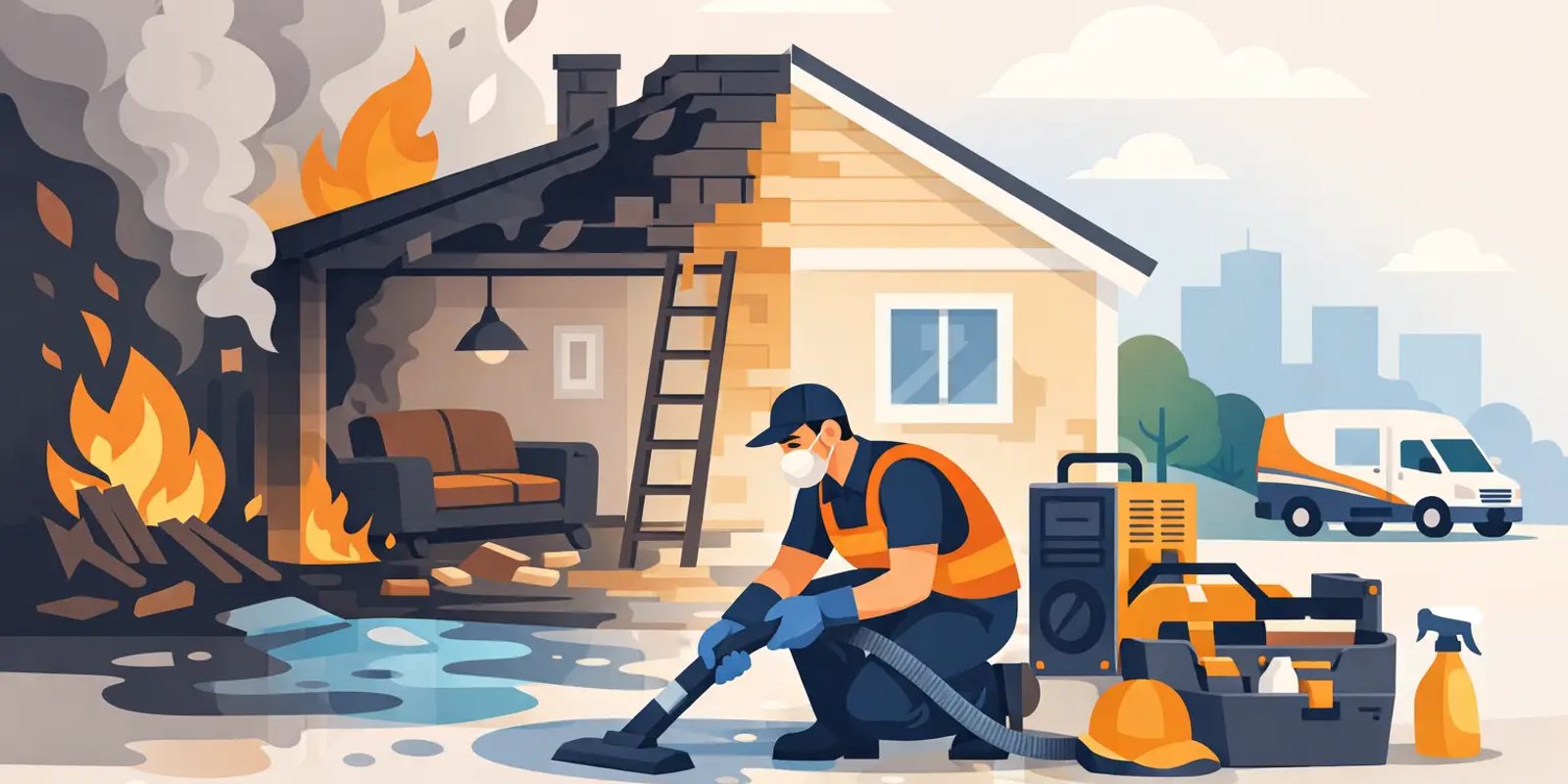

The first 24 hours after a house fire are a blur. You are dealing with smoke odor, water from firefighting efforts, damaged materials, and a lot of unanswered questions. That is where a fire damage restoration contractor becomes more than a vendor. For homeowners in the Lehigh Valley, the right contractor helps stabilize the home, prevent further damage, and bring some order back to a stressful situation.
Fire restoration is not just about cleaning up what burned. It is about understanding how fire, smoke, soot, and water affect different parts of the house, then building a practical plan to repair the damage the right way. Some homes need targeted demolition and odor treatment. Others need framing repair, drywall replacement, flooring work, finish carpentry, and help coordinating with insurance. The scope depends on how far the damage spread and how quickly the response begins.
Why hiring a fire damage restoration contractor matters
After a fire, many homeowners assume the main problem is the visibly burned area. In reality, smoke travels. Soot settles in places you would not expect. Water can soak insulation, framing cavities, subfloors, and trim long after the fire is out. If those issues are not addressed early, the repair gets more expensive and the home can remain unsafe or uncomfortable even after cosmetic work is finished.
A qualified fire damage restoration contractor looks at the whole picture. That includes structural stability, indoor air quality, material salvageability, moisture conditions, and the sequence of repairs needed to restore the home properly. This is especially important in older homes around Allentown, Bethlehem, Easton, Macungie, Whitehall, and nearby communities, where hidden cavities, layered renovations, and aging materials can complicate the work.
There is also the insurance side. Fire claims often involve documentation, estimates, scope review, and communication that can overwhelm homeowners who are already under pressure. A contractor with restoration experience can help present the damage clearly and keep the project moving without unnecessary confusion.
What a fire damage restoration contractor actually does
The work usually starts with emergency stabilization. If windows, doors, or sections of the roof are compromised, those openings may need to be secured right away. This helps protect the property from weather, trespassing, and additional deterioration.
Next comes assessment. A good contractor does not rush to promise a fixed solution before seeing the full extent of the damage. Fire can char framing, weaken structural members, damage electrical systems, and leave smoke contamination well beyond the room where the fire started. Water used to extinguish the fire can create another layer of damage that needs immediate attention.
Once the assessment is complete, the contractor develops a repair plan. That often includes selective demolition, debris removal, odor mitigation, drying, cleaning, reconstruction, and finish work. In some cases, materials can be cleaned and restored. In others, replacement is the safer and more cost-effective option. It depends on the severity of heat exposure, the type of soot, the amount of water present, and the condition of the surrounding materials.
The stages of fire restoration work
Emergency securing and site protection
A damaged home needs to be protected before full restoration begins. Temporary board-up, roof tarping, and controlled access are common first steps. These measures are not glamorous, but they matter. They keep the property from getting worse while the next phase is organized.
Damage inspection and scope development
This stage is where experience shows. Surface-level damage can hide deeper issues in framing, insulation, HVAC systems, and electrical components. A thorough contractor documents what can be restored, what must be removed, and what needs specialist review.
Smoke, soot, and water mitigation
Soot is not all the same. Different fire sources leave different residues, and those residues react differently to cleaning methods. Use the wrong approach and the damage can spread or become harder to remove. At the same time, moisture from firefighting efforts must be addressed quickly to avoid secondary damage.
Demolition and reconstruction
After damaged materials are removed, the home can begin moving toward repair. This is where restoration overlaps with remodeling and carpentry expertise. Drywall, insulation, flooring, trim, cabinetry, paint, and structural elements may all need replacement. If the fire affected a kitchen, bathroom, or finished basement, the rebuild phase has to balance restoration requirements with the homeowner's goals for function and appearance.
What homeowners should expect during the process
One of the biggest concerns after a fire is not knowing what comes next. A dependable contractor sets expectations early. That means explaining the condition of the home, identifying immediate safety concerns, outlining likely phases of work, and being honest about what is known versus what may be discovered once damaged materials are opened up.
You should also expect clear communication about costs and trade-offs. In some rooms, restoration can preserve enough of the original materials to reduce cost. In other areas, partial repair may leave too much risk behind. A disciplined contractor explains those differences plainly so you can make informed decisions.
Timelines can vary. A contained fire in one part of the home is very different from a broader loss involving structural repairs, HVAC contamination, or extensive smoke travel. Insurance review can also affect pace. That is why project management matters as much as technical repair skills.
Choosing the right fire damage restoration contractor
Not every contractor is built for restoration work. Fire damage is different from a standard remodel because the job starts with damage control, not design choices. You need a contractor who can assess structural concerns, coordinate cleanup and repairs, and still deliver quality finish work when the rebuilding starts.
Look for clear estimating, direct answers, and a realistic explanation of the process. If a contractor downplays smoke damage or talks only about visible repairs, that is a warning sign. The same goes for vague pricing or poor communication. After a fire, homeowners do not need added guesswork.
Local knowledge matters too. Homes in the Lehigh Valley vary widely, from newer suburban builds to older homes with unique framing, plaster, trim details, and layered renovations. A contractor who understands the local housing stock is better prepared to spot complications and restore the home with the right balance of durability and craftsmanship.
This is also where full-service capability helps. When one contractor can manage demolition, drywall, flooring, cabinetry, trim, paint, and other reconstruction needs, the process is usually smoother than piecing together multiple trades on your own. For homeowners already managing a stressful claim, that coordination can make a major difference.
Fire damage restoration contractor services and insurance
Insurance is often part of the equation, but it does not remove the need for a careful contractor. The insurer may define coverage, but the contractor still has to define the practical path to restoring the home. Detailed documentation, accurate scope writing, and ongoing communication help keep the repair aligned with both the claim and the real condition of the property.
There can be gray areas. Some damage is obvious and clearly covered. Some conditions may need further investigation before final pricing is appropriate. A trustworthy contractor does not force certainty too early just to win the job. Instead, they build a process that protects the homeowner from surprises whenever possible.
That approach is especially valuable when restoration blends into improvement. Sometimes a damaged area creates an opportunity to correct prior layout issues, replace outdated finishes, or upgrade materials during reconstruction. Those decisions need to be handled carefully so homeowners understand what falls under restoration and what counts as elective improvement.
Why workmanship still matters after the emergency
Once the smoke clears, homeowners still have to live in the finished result. That is why quality reconstruction matters. A rushed repair may pass a basic inspection and still leave uneven drywall, mismatched trim, lingering odor, or details that make the home feel patched together rather than restored.
A contractor like Veteran Grains approaches fire restoration with the same discipline used in remodeling work - clear planning, accountable communication, and respect for the home from the first quote to the final detail. That matters because restoration is not just about getting back inside. It is about feeling confident in the condition, safety, and appearance of your home again.
If you are dealing with fire damage, the right next step is not panic or guesswork. It is finding a contractor who can assess the damage honestly, guide the process clearly, and rebuild with care. When that happens, the house starts to feel like home again a little sooner.




















 (610) 618-6063
 info@veterangrains.com
 4915 Lower Macungie Rd, Macungie, PA 18062