



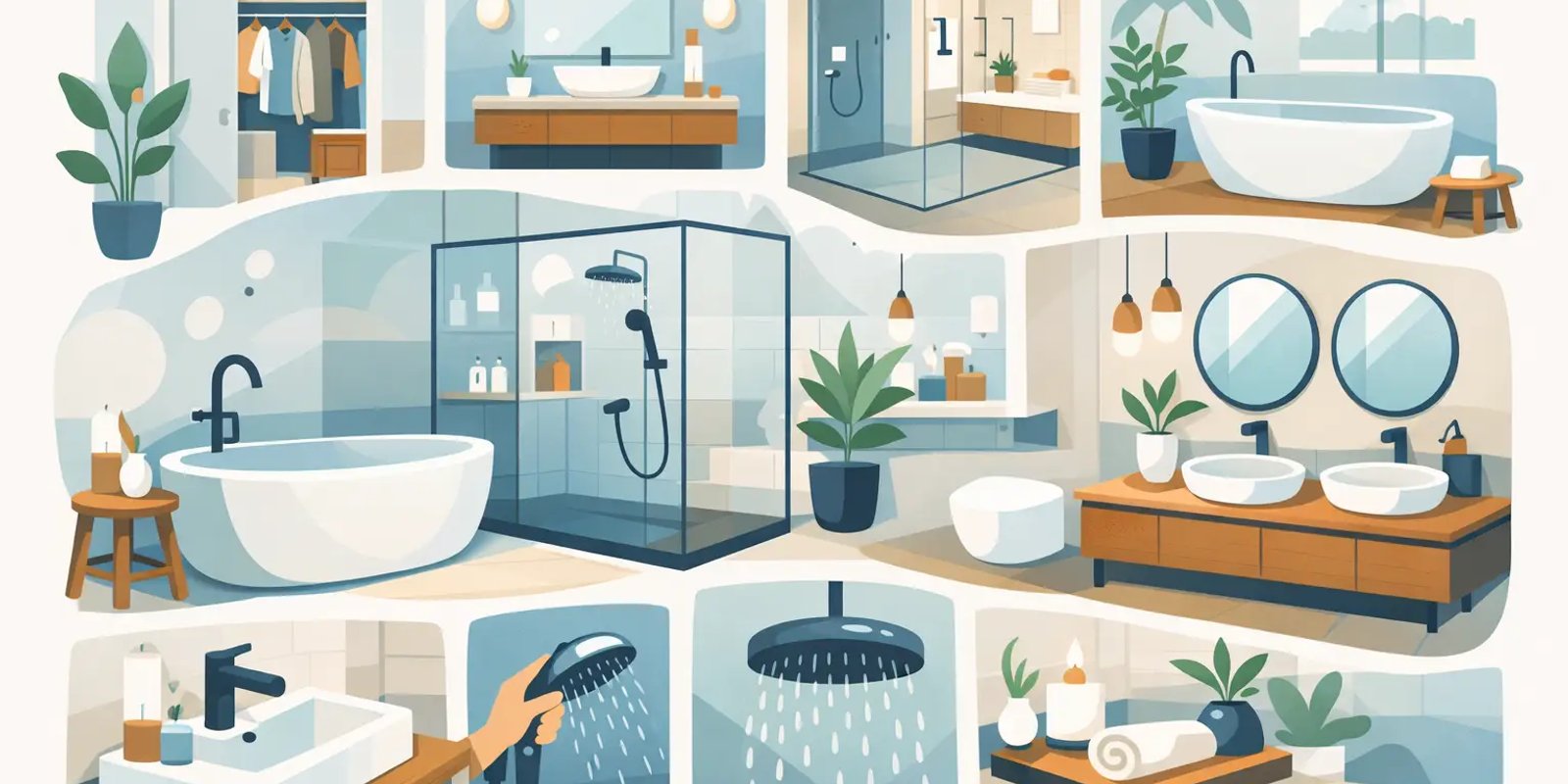

A cramped ensuite shows its flaws fast. You feel it when two people are getting ready at once, when storage is missing, or when an older layout makes the room look smaller than it is. The best bathroom ensuite renovation ideas solve those daily frustrations first, then improve the look of the space so it feels clean, current, and easier to live with.
For homeowners in the Lehigh Valley, ensuites often come with a mix of challenges. Some are tucked into older homes with awkward footprints. Others were built in the early 2000s and now feel dated, oversized in the wrong places, and short on function where it matters. A smart renovation is not about chasing every trend. It is about choosing upgrades that fit the room, the household, and the budget.
Start with the layout before finishes
The most valuable changes usually happen before tile or paint is selected. If your ensuite has a narrow walkway, a door that swings into the vanity, or a shower that takes up more room than it should, the layout deserves attention first.
In many primary bathrooms, a few inches make a real difference. Reworking plumbing locations can open space for a larger vanity, a better shower entry, or clearer traffic flow between fixtures. That comes at a higher cost than keeping everything in place, so this is one of those decisions that depends on your priorities. If the room already functions well, you may get better value by updating materials and storage instead of moving walls or drains.
Bathroom ensuite renovation ideas that make small spaces work harder
A smaller ensuite does not need to feel like a compromise. It needs smart proportions and fewer visual interruptions.
A curbless or low-threshold shower can make the room look longer and more open. Frameless glass helps too, especially when natural or overhead light can pass through the full space. Wall-mounted vanities create a lighter look and can make floor tile more visible, which often makes the room feel larger. The trade-off is storage. Floating vanities look clean, but if you need room for towels, toiletries, and backup supplies, a well-designed full-base vanity may serve you better.
Large-format tile is another practical move in a compact ensuite. Fewer grout lines usually create a calmer, less busy appearance. It can also simplify cleaning, which matters in a room used every day. If the floor plan is tight, carrying the same tile from floor to shower walls can make the design feel more unified.
Add a double vanity only if the room can support it
A double vanity is one of the most requested ensuite upgrades, and for good reason. It improves the morning routine, gives each person a defined space, and usually adds resale appeal. But it only works when there is enough clearance around it.
Trying to force two sinks into a vanity that is too short often creates more frustration than convenience. You lose countertop space, crowd the faucet areas, and end up with drawers or doors that are too narrow to be useful. In some ensuites, one larger sink with generous storage and counter area is the better choice.
If the room does support a double vanity, think beyond the sinks themselves. Good task lighting, outlets in the right places, and drawer organization matter just as much. A strong design makes the vanity work like a daily-use station, not just a showroom feature.
Build storage into the plan, not around it
One of the most overlooked bathroom ensuite renovation ideas is simply giving everything a place to go. A beautiful bathroom will still feel cluttered if storage is an afterthought.
Built-in niches in the shower keep bottles off the floor and out of wire racks. Drawer inserts in the vanity make smaller items easier to organize. Tall linen storage, recessed medicine cabinets, and custom cabinetry can all help depending on the footprint. In older homes, where wall space may be limited, storage often needs to be planned more carefully from the start.
This is where custom work can pay off. Standard cabinets fit many bathrooms, but not all of them. If an ensuite has unusual dimensions or a sloped ceiling, custom cabinetry can turn dead space into useful storage without making the room feel crowded.
Upgrade the shower for comfort and easier maintenance
For many homeowners, the shower is the centerpiece of the ensuite. It is also one of the best places to invest because it affects both function and day-to-day comfort.
A larger walk-in shower is often more practical than a bulky soaking tub that rarely gets used. Bench seating, recessed shelving, and a handheld showerhead improve usability for a wide range of ages and mobility needs. If this is your long-term home, planning for aging in place now can save you from another renovation later.
Material choices matter here. Natural stone can look excellent, but it usually requires more upkeep than porcelain. Textured floor tile improves slip resistance, but the texture should still be comfortable underfoot and not difficult to clean. There is always a balance between appearance, maintenance, and cost.
Use lighting like part of the construction plan
Lighting can change how an ensuite looks and how well it works. Too many bathrooms rely on a single overhead fixture and end up with shadows at the mirror and dim corners near the shower.
A layered approach usually works best. Overhead lighting gives general illumination, vanity lighting improves grooming tasks, and shower lighting helps the space feel finished. Dimmers are worth considering because they let the room shift from bright morning use to softer evening use.
If the ensuite has access to natural light, protect it. Enlarging a window, using privacy glass, or improving trim details around the opening can make a big impact without changing the room's footprint. In homes across Allentown, Bethlehem, and Easton, older bathrooms often feel dark simply because the finishes and fixture layout are working against the light they already have.
Choose materials that fit real life
A good-looking bathroom should still hold up to humidity, cleaning products, and daily traffic. That sounds obvious, but material decisions are often driven by photos instead of actual use.
Porcelain remains one of the most dependable choices for floors and shower walls because it is durable and available in a wide range of styles. Quartz works well for vanity tops because it offers a clean look with lower maintenance than many natural stones. Painted cabinetry can look sharp, but the finish quality matters in a moisture-heavy room. Poor prep and rushed installation show up fast in an ensuite.
Color also deserves practical thinking. Warm whites, soft grays, wood tones, and muted earth colors tend to age better than highly specific trend shades. That does not mean everything should look plain. It means the permanent elements should have staying power, while mirrors, hardware, and paint can carry more personality.
Don’t ignore ventilation and waterproofing
This is the part of the remodel that gets less attention in conversations and more attention when something goes wrong. Proper waterproofing behind tile, sound subfloor repair, and effective ventilation are what protect the investment.
An ensuite that looks new but traps moisture behind the walls is not a successful renovation. Neither is one with inadequate exhaust that leaves mirrors fogged and paint struggling after every shower. These behind-the-scenes details are not glamorous, but they are where workmanship really matters.
That is especially true in homes with older framing, prior water damage, or signs of hidden deterioration. Some bathrooms need more than a surface update. They need careful inspection, repair, and rebuilding in the right order.
Make the space feel connected to the bedroom
The strongest ensuites do not feel like an isolated add-on. They feel connected to the primary bedroom in style and scale.
That can mean carrying similar trim details, coordinating flooring transitions, or choosing finishes that complement the adjoining space rather than competing with it. If the bedroom is warm and traditional, an ultra-modern ensuite may feel out of place. If the bedroom has a cleaner, more updated look, the bathroom should support that direction.
This is one place where restraint helps. Too many contrasting materials can make a smaller ensuite feel busy. A few well-matched finishes, used consistently, usually create a stronger result.
Plan around budget with clear priorities
Not every ensuite renovation needs a full gut. Some homeowners need a better shower, better storage, and a cleaner look. Others are dealing with water damage, outdated plumbing, or a layout that never worked in the first place.
The right scope comes down to priorities. If resale matters in the near term, focus on improvements buyers notice and value, such as updated tile, a quality vanity, better lighting, and a more functional shower. If this is a long-term home, it may make sense to invest in custom storage, layout changes, and comfort features that fit your routine.
A disciplined renovation process matters as much as the ideas themselves. Clear estimates, realistic allowances, and honest discussion about where to spend and where to hold back will usually lead to a better outcome than trying to stretch the budget across too many upgrades at once. That is the standard Veteran Grains brings to bathroom remodeling projects across the Lehigh Valley.
The best ensuite remodel is the one that makes your mornings easier, your home stronger, and your investment feel worthwhile long after the tile is set.

















 (610) 618-6063
 info@veterangrains.com
 4915 Lower Macungie Rd, Macungie, PA 18062