


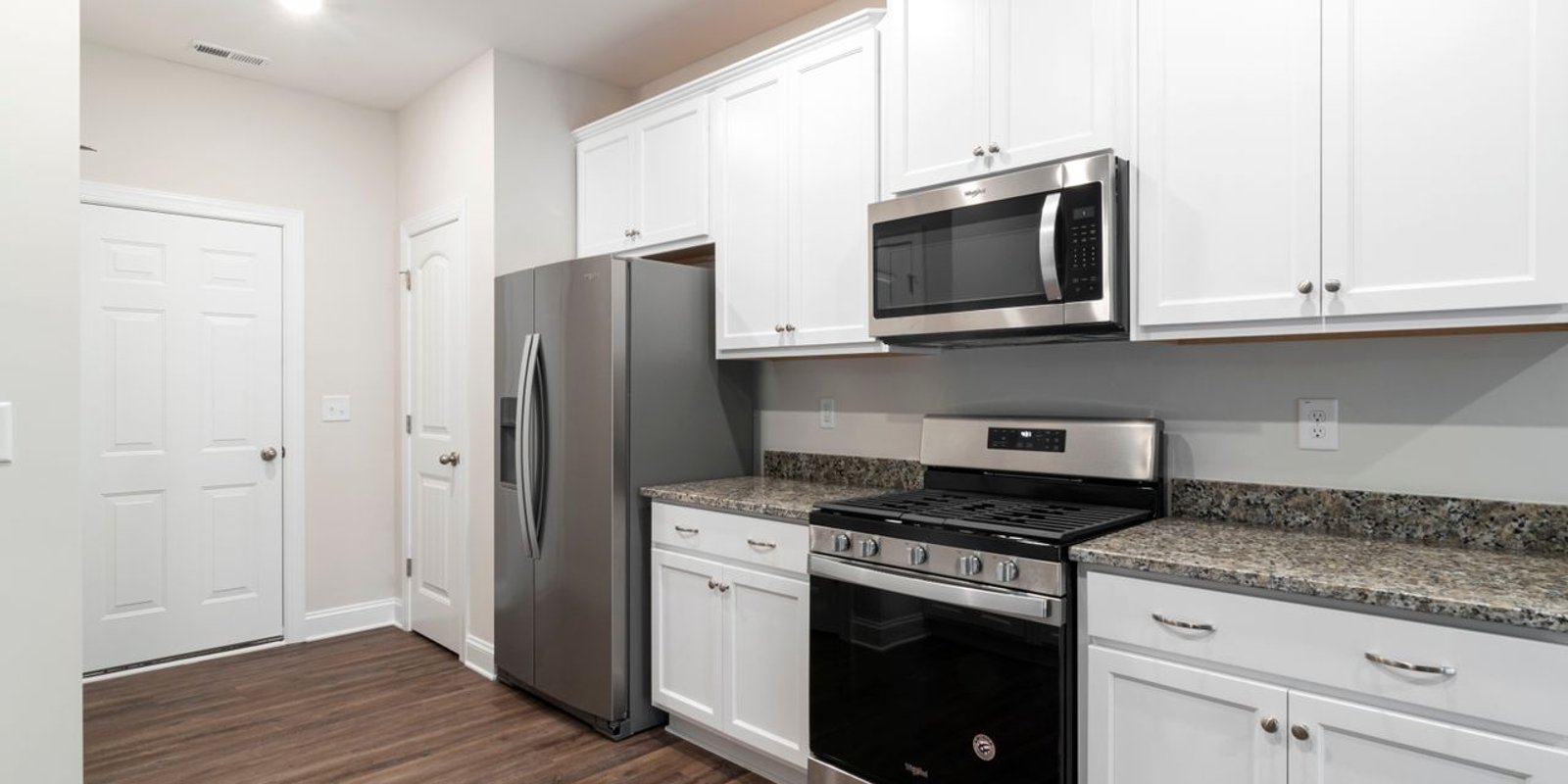

Some kitchen remodels in Allentown need permits, and some do not. The answer depends on whether you are replacing finishes in the same locations or changing walls, wiring, plumbing, gas, ventilation, or layout. Veteran Grains helps homeowners plan kitchen remodels, and we provide clear quotes, practical guidance, and transparent communication. Call (610) 618-6063 to talk through your project. We offer kitchen remodeling in Bethlehem and all throughout the Lehigh Valley, and we'd be happy to speak with you.
Some Kitchen Remodels Need Permits, And Some Do Not
Allentown’s own residential permit guidance says a permit is not required for “remodeling a kitchen where the sinks, cabinets and appliances are replaced in the same location.” The same city guidance also lists replacement of existing electrical fixtures, switches, and outlets as work that does not require a residential permit. You can see that language in Allentown’s guide on when residential permits are not required.
That is helpful, but it does not cover every kitchen project. A cabinet swap in the same footprint is one thing. A remodel that opens walls, moves a sink, adds circuits, changes a gas appliance, removes a wall, or changes ventilation is a different conversation.
These Kitchen Updates May Not Need A Permit
A kitchen update may not need a permit when the work stays mostly cosmetic and the main items remain in the same locations. That may include painting, cabinet replacement in the same location, sink replacement in the same location, appliance replacement in the same location, simple trim work, hardware, and certain fixture swaps.
That does not mean every small job is automatically permit-free. The safest approach is to define the scope first, then check it against the city’s requirements before the project starts.
What Does Usually Require a Permit?
A kitchen remodel usually needs permit review when the work touches regulated systems or changes how the home is built. Allentown describes building permits as applying to new construction, changes, demolitions, electrical, heating, plumbing, roofing, and signs on its construction permitting page.
For kitchens, that can include moving plumbing lines, adding or relocating electrical wiring, changing gas lines, removing walls, altering framing, adding ducted ventilation, changing windows or exterior openings, or making a larger layout change. Once the remodel moves beyond replacing items in place, permits may become part of the project.
Kitchen Remodel Permits Depend On The Scope
“Kitchens” are not treated as one single permit category. The city cares about what work is actually being done. Replacing a countertop is very different from moving a sink across the room. Painting cabinets is very different from opening a wall and adding electrical circuits.
Pennsylvania’s Uniform Construction Code also matters because it regulates building projects across the state. The Commonwealth explains that the UCC applies to building projects and that inspections are needed in several cases, including changes to residential buildings and electrical, gas, mechanical, or plumbing systems. You can review that general state guidance through Pennsylvania’s page on Uniform Construction Code building permits.
Cosmetic Work vs. Regulated Construction
Cosmetic work usually focuses on surfaces. Paint, hardware, simple trim, cabinet color, and similar finish updates are usually treated differently from work that affects structure, electrical systems, plumbing, gas, mechanical systems, or safety.
That distinction is useful when you are pricing a remodel. If you want a cleaner look and the kitchen already works well, the permit side may be simpler. If the room needs a larger reset, the project may need more review.
Even a Small Kitchen Change Can Trigger Permitting
A change that looks simple on the surface can create several trades behind the scenes. Moving a dishwasher may affect plumbing, electric, flooring, cabinets, and drywall. A new range hood may involve ducting and electrical work. A larger refrigerator may affect cabinet layout and outlet placement.
That is why Veteran Grains talks through the full scope early. A clear plan helps homeowners avoid missed items, vague quotes, and surprise delays once the kitchen is already under construction.
Electrical Work During A Kitchen Remodel
Electrical work is one of the most common reasons a kitchen remodel needs closer review. Kitchens often involve outlets, lighting, appliance circuits, dishwashers, disposals, microwaves, ranges, under-cabinet lights, and range hoods.
Allentown’s Citizen Self Service Portal guidance notes that trade licenses apply for electric, plumbing, and sheet metal work, and that homeowners self-performing work in their primary residence are treated differently from contractors.
Replacing Fixtures vs. Adding Circuits
Replacing an existing light fixture, switch, or outlet is not the same as adding new wiring or changing the electrical layout. A kitchen remodel may need electrical review when the project adds circuits, relocates outlets, changes appliance wiring, adds under-cabinet lighting, or updates power for a range, microwave, dishwasher, disposal, or hood.
This is worth discussing before cabinets are ordered. Electrical changes can affect cabinet layout, backsplash plans, appliance locations, and the schedule.
Appliance Choices and Your Electrical Scope
Appliances should be selected early because they can change the work behind the walls. A wall oven may need a different circuit. A microwave drawer may affect cabinet layout and power. A new dishwasher, disposal, range, or hood can add details that do not show up in a surface-level remodel discussion.
Plumbing, Gas, And Ventilation
Plumbing, gas, and ventilation can also move a kitchen remodel into permit territory. Allentown’s permitting information includes plumbing and heating work under construction permitting, and the city’s fee code applies building fees to electrical, mechanical, plumbing, fire suppression, alarm systems, and related building work.
Move A Sink And The Project Changes
Replacing a sink in the same location may be straightforward. Moving the sink to a new wall or island is a bigger project. The same goes for a dishwasher, refrigerator water line, drain, or supply lines.
Those changes may require wall or floor access, plumbing work, cabinet coordination, and inspection timing. They can still be worth doing, but they should be included in the scope from the start.
Review Range Hoods And Gas Appliances Early
Range hoods and gas appliances deserve early attention. A new hood may need ducting, exterior termination, electrical work, cabinet adjustments, or other coordination. A gas range may require review of the gas line and appliance requirements.
Wall Removal, Structural Work, And Layout Changes
Wall removal is one of the clearest signs that a kitchen remodel needs more than a simple finish plan. If you want to open the kitchen into a dining room, remove a partition, create a pass-through, widen an opening, or add a beam, the structure needs review.
Pennsylvania’s UCC permit guidance notes that an unlicensed person may prepare drawings for alteration or remodeling only when the work does not involve changes to the building’s structure or means of egress.
Load-Bearing Walls
A wall does not have to look impressive to be load-bearing. Small walls, awkward walls, and walls between a kitchen and dining room can still carry loads or contain wiring, plumbing, ductwork, or other systems.
Before pricing a wall removal, the structure should be reviewed. Guessing can turn a kitchen remodel into a much more expensive repair.
Layout Changes
A new layout can improve the kitchen, but it often affects several parts of the home at once. Cabinets, flooring, drywall, plumbing, electrical, trim, lighting, ventilation, and inspections may all connect.
That is why layout planning should come before finish selections. Once you know what is moving, you can make smarter decisions about cabinets, counters, flooring, and appliances.
What Happens After A Permit Is Pulled In Allentown?
After a permit is pulled, the project may go through application review, fee payment, inspections, corrections if needed, and final approval. Allentown’s inspection guidance says the permit card should stay visible until work is complete and approved, and the city lists rough framing, electrical, plumbing, and mechanical installations among the inspection points. You can review that process on Allentown’s building inspections page.
Plan Review And Fees
Allentown’s fee ordinance includes residential plan review and inspection fees and states that the total cost of work associated with permits includes labor and materials from all trades. That can include structural and nonstructural building components, electrical, plumbing, mechanical systems, and interior finish materials and labor. The city also lists a state permit fee on permit applications.
The main point for homeowners is simple: permit costs are part of the project budget when the scope requires them. They should not be treated as a last-minute surprise.
Rough Inspections And Final Inspection
Rough inspections usually happen before walls are closed. That may include electrical, plumbing, mechanical, and framing work. Final inspection comes later, after the approved work is complete.
This inspection schedule affects timing. A contractor should plan the sequence so work does not move too far ahead before the right inspection takes place.
What If You Remodel Without The Right Permit?
Unpermitted work can create problems during the project and later. It may lead to fines, delays, inspection issues, resale concerns, or added repair costs if finished areas have to be opened again.
An older Allentown residential permit requirements document states that work performed without required UCC permits can be assessed a fine of $100 per permit required, in addition to the actual permit fees.
Unpermitted Work Can Cost More Than Doing It Right
If electrical, plumbing, or framing work gets covered before inspection, parts of the kitchen may need to be reopened. That can mean extra drywall repair, more labor, schedule changes, and frustration that could have been avoided.
Permits are not the fun part of a kitchen remodel, but they help keep the work organized and accountable.
Permits Protect The Homeowner Too
Permit review is not just paperwork. It creates checkpoints for work that affects the safety and long-term condition of the home. That matters with kitchens because electrical, plumbing, gas, ventilation, structure, and fire safety can all come into play.
Permit Rules Can Change In Nearby Areas
Allentown rules do not automatically apply to every nearby municipality. Bethlehem, Easton, Whitehall, Emmaus, Macungie, Coopersburg, Hellertown, Center Valley, and other nearby areas may have their own permit offices, forms, procedures, fees, and contractor requirements.
If your project is outside Allentown, the scope still matters, but the local office may handle the permit process differently.
Bethlehem Kitchen Remodel Permits
Bethlehem’s residential construction information says electrical contractors working in the city must have a valid electrician’s license. It also says a plumbing permit may be issued to a bona fide owner-occupant of a single-family dwelling only if that owner personally purchases the materials and performs the labor.
Bethlehem also states that residential permit applications have a 15-day review period, while commercial applications have a 45-day review period, according to the city’s residential construction FAQ.
Easton Kitchen Remodel Permits
Easton’s construction code adopts the Pennsylvania Construction Code Act requirements for construction, alteration, repair, electrical, gas, mechanical, and plumbing systems. The city code also provides for permit issuance and fees for work that requires permits.
Easton’s permit instructions also state that anyone who intends to construct, enlarge, alter, repair, move, demolish, or change a building, or install, enlarge, repair, remove, convert, or replace electrical, gas, mechanical, or plumbing systems, must obtain the required permit.
Whitehall Kitchen Remodel Permits
Whitehall Township says it enforces the Pennsylvania Uniform Construction Code and that permits are required any time alterations or additions are made to property and any time electrical or plumbing work is performed.
Whitehall also notes in its permit materials that separate permits are required for plumbing, mechanical/HVAC, and electrical work.
Veteran Grains Helps With Kitchen Remodel Planning
Veteran Grains is not a code office, and we do not pretend every kitchen project has the same permit answer. Our job is to help you understand the remodeling scope, spot the items that may trigger permit review, and plan the work in a clear, practical way.
Talk Through The Scope Before Work Starts
We look at cabinets, layout, flooring, walls, plumbing, electrical, trim, appliances, and the overall kitchen plan before the quote gets too far along. That helps everyone understand whether the project is mostly cosmetic or whether it involves regulated work.
Avoid Scope Gaps
Kitchen remodel quotes can get messy when important items are left vague. Demolition, drywall repair, flooring transitions, electrical updates, plumbing changes, appliance installation, trim, paint, cleanup, and inspections should all be discussed before the project begins.
Keep Your Project Moving
Veteran Grains is veteran-owned, and we take communication seriously. We provide transparent quotes, reasonable pricing, and steady updates through the project. If the scope changes because hidden conditions appear, we talk through the options instead of leaving you guessing.
Call Veteran Grains For Kitchen Remodeling In Allentown
In Allentown, a simple same-location kitchen update may not require the same permits as a remodel that changes walls, wiring, plumbing, gas, ventilation, or layout. The smartest move is to define the scope early, check the local requirements, and work with a contractor who understands how the pieces connect.
Veteran Grains helps with kitchen remodeling in Allentown, Bethlehem, Easton, Whitehall, Emmaus, Macungie, Coopersburg, Hellertown, Center Valley, and nearby Lehigh Valley communities. We handle cabinets, flooring, drywall, trim, painting, carpentry, repair work, and full kitchen remodeling projects.




















 (610) 618-6063
 info@veterangrains.com
 4915 Lower Macungie Rd, Macungie, PA 18062